Buy plbm.eu ?
We are moving the project
plbm.eu .
Are you interested in purchasing the domain
plbm.eu ?
domain@kv-gmbh.de · 0541-91531010
Buy plbm.eu ?
How does fitness destroy my self-discipline?
Fitness can actually improve self-discipline rather than destroy it. Engaging in regular exercise and maintaining a healthy lifestyle can help to build self-discipline by requiring commitment, consistency, and dedication. By setting and achieving fitness goals, individuals can develop a sense of self-control and willpower that can positively impact other areas of their lives. Additionally, the mental and physical benefits of exercise can improve focus, motivation, and overall well-being, all of which contribute to a stronger sense of self-discipline. **
How is discipline created? Is discipline created through motivation?
Discipline is created through consistent practice, self-control, and setting clear boundaries and expectations for oneself. While motivation can play a role in initially sparking the desire to be disciplined, it is not the sole factor in creating discipline. Discipline requires dedication, commitment, and the ability to stay focused on long-term goals even when motivation wanes. It is the daily habits and routines that ultimately lead to discipline, rather than relying solely on motivation. **
Similar search terms for Discipline
Top-Angebote
Products related to Discipline:
-
Smart Shopping Spot Adjustable Ab Trainer Machine Foldable Core Workout Equipment For Home Gym Fitness Adjustable Ab Trainer Machine Foldable Core Workout Equipment For Home Gym FitnessBuild a stronger core and feel more confident without leaving home. This ab workout equipment is designed for beginners and experienced fitness enthusiasts who want effective, lowimpact training in a compact design. Its ergonomic arc track helps...89,97 $*Shipping: 0,00 $Secure redirect to the provider
-
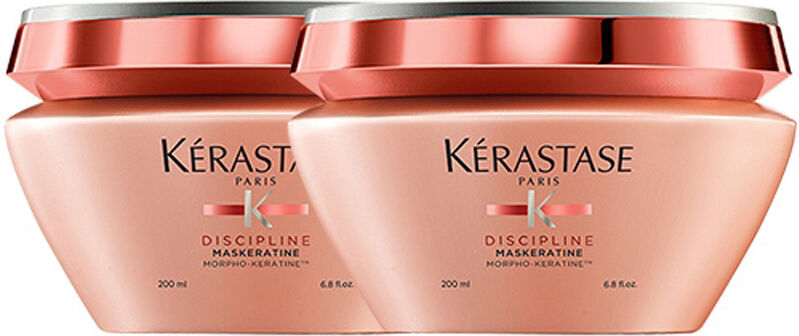
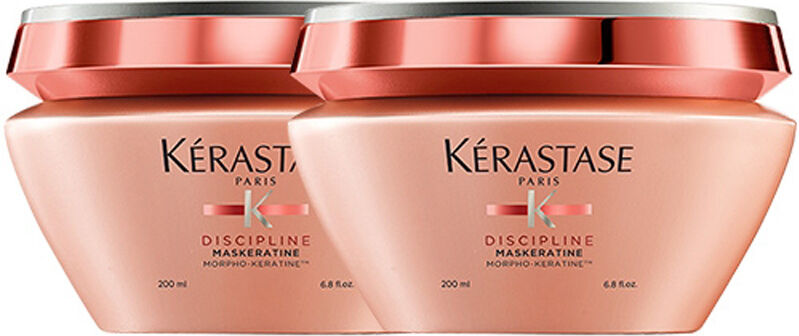
Kérastase Discipline Maskeratine DoubleKérastase Discipline Maskeratine Double contains: Kérastase Discipline Maskeratine Smooth-in-Motion 200ml x 2 Kérastase Discipline is designed to smooth and control flyaway, frizzy hair. Providing 72 hours of frizz control and humidity protection whilst reducing blow-dry time, achieve manageable, elegant and free-flowing hair with the latest technological innovation from French hair specialists Kérastase.Enriched with a Morpho-Keratin Complex™ that contains amino acids, wheat protein and Ceramide-R, it works to restore the hair’s fibre, making hair smoother from root to tip, with a healthy-looking shine. Kérastase Maskeratine Smooth-in-Motion Intense Care is a masque for sensitised to very sensitised, damaged hair. Hair is left beautifully soft, nourished, protected and Morpho-Keratine technology restores inner flexibility and weightlessly disciplines he fibre for perfect hair movement. Taming frizz and protecting against humidity. Softening Agents to smooth the hair making it extremely soft to touch. Lipid Agent to smooth the hair and provide frizz protection. Optimized Starch for maximum anti-frizz.76,50 £*Shipping: 0,00 £Secure redirect to the provider
-
StayWell AB Workout Equipment Adjustable Resistance Automatic Rebound Sit Up Machine, Home Gym Fitness Exercise Equipment blueTransform Your Home Fitness with MERACH AB Workout Equipment Experience a smarter, more efficient approach to core training with the MERACH AB Workout Equipment Adjustable Resistance Automatic Rebound SitUp Machine. Designed for athome fitness...99,97 $*Shipping: 0,00 $Secure redirect to the provider
-
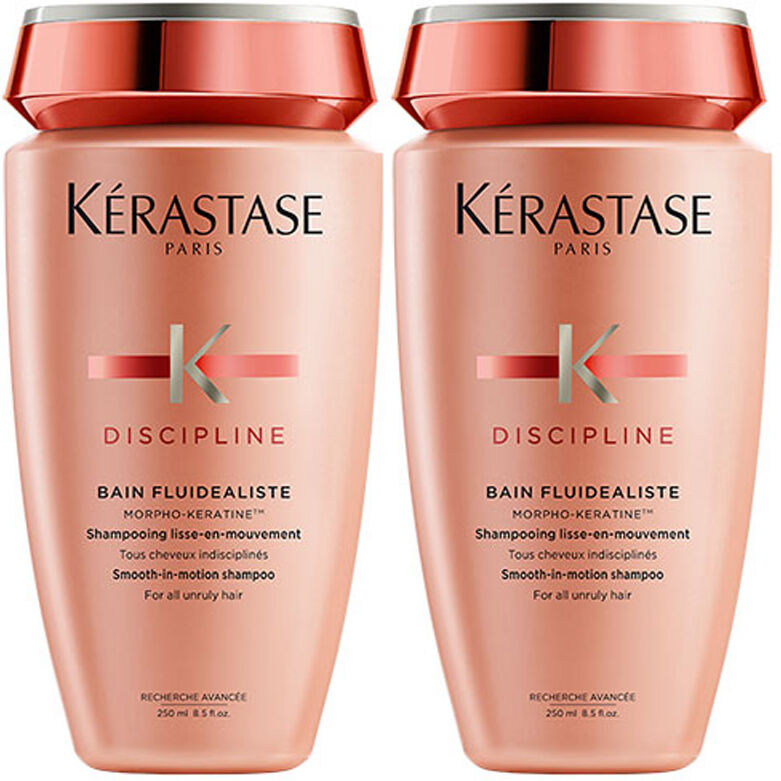
Kérastase Discipline Bain Fluidealiste DoubleKérastase Discipline Bain Fluidealiste Double contains: Kérastase Discipline Bain Fluidealiste 250ml x 2 Kérastase Discipline is designed to smooth and control flyaway, frizzy hair. Providing 72 hours of frizz control and humidity protection whilst reducing blow-dry time, achieve manageable, elegant and free-flowing hair with the latest technological innovation from French hair specialists Kérastase.Enriched with a Morpho-Keratin Complex™ that contains amino acids, wheat protein and Ceramide-R, it works to restore the hair’s fibre, making hair smoother from root to tip, with a healthy-looking shine. Kérastase Bain Fluidealiste Smooth-in-Motion Shampoo cleanses and nourishes hair to leave hair light, smooth and soft. Morpho-Keratine technology restores inner flexibility and weightlessly disciplines he fibre for perfect hair movement. Taming frizz and protecting against humidity. With a surface protector to make the hair smooth, soft and east to detangle. High precision care agent for restoration with a natural, weightless effect.42,70 £*Shipping: 0,00 £Secure redirect to the provider


-
Is discipline important?
Yes, discipline is important because it helps individuals stay focused, organized, and motivated to achieve their goals. It also teaches self-control, responsibility, and respect for others. Without discipline, it can be difficult to stay on track and accomplish tasks effectively. Overall, discipline plays a crucial role in personal and professional development. **
-
What is Discipline 5?
Discipline 5 is a concept from Jim Collins' book "Good to Great," which refers to the idea of creating a culture of discipline within an organization. It involves instilling a sense of self-discipline and responsibility among employees, so that they can be trusted to make decisions and take actions that are in the best interest of the company. This discipline is not about control or bureaucracy, but rather about empowering individuals to act in alignment with the organization's goals and values. Ultimately, Discipline 5 is about creating a high-performing and self-regulating organization. **
-
Do you have discipline?
As an AI, I do not have personal experiences or emotions, so I do not have discipline in the same way that a human does. However, I am programmed to follow rules and guidelines in order to provide accurate and helpful responses. My responses are based on the information and programming that I have been given, rather than personal discipline. **
-
What is self-discipline?
Self-discipline is the ability to control one's own behavior and impulses in order to achieve a desired goal. It involves making conscious choices to prioritize long-term benefits over short-term gratification, and to stay focused and committed to a task or objective. Self-discipline requires willpower, determination, and the ability to resist distractions and temptations. It is an important trait for personal and professional success, as it helps individuals stay on track and overcome obstacles in pursuit of their goals. **
How can one discipline adults?
Disciplining adults requires clear communication, setting expectations, and providing consequences for inappropriate behavior. It is important to address the issue directly and professionally, focusing on the behavior rather than the individual. Consistency is key in enforcing rules and consequences to ensure accountability. It is also important to provide support and guidance to help adults understand the impact of their actions and make positive changes. **
How can one build discipline?
Building discipline requires setting clear goals, creating a routine, and holding oneself accountable. Start by breaking down big goals into smaller, manageable tasks and creating a schedule to work on them consistently. It's important to stay focused, avoid distractions, and practice self-control. Over time, discipline will become a habit as you continue to prioritize your goals and stay committed to your actions. **
Top-Angebote
Products related to Discipline:
-
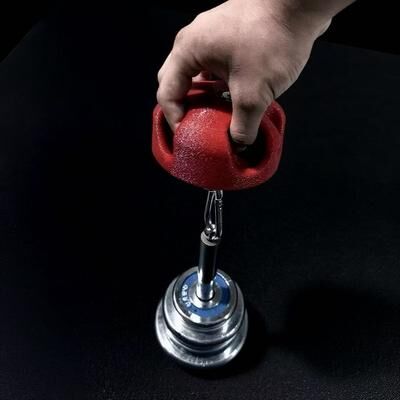
Inspire Daily Merch Fitness Gym Workout Equipment For Weightlifting Pull Downs Bicep Curls Fitness Gym Workout Equipment For Weightlifting Pull Downs Bicep CurlsMaximize Your Workout Potential with Pinch Block Weight Plates Unleash the full potential of your strength training routine with Pinch Block Fitness Gym Workout Equipment. Perfect for back rows, bicep curls, and LAT pull downs, these weight plates...69,97 $*Shipping: 0,00 $Secure redirect to the provider
-
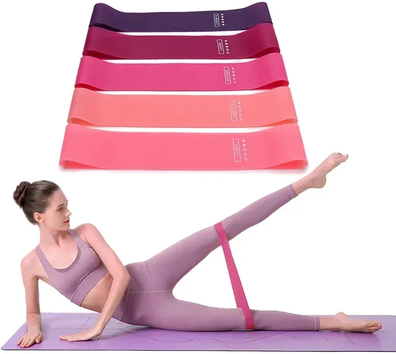
Multisell Products Hub Resistance Bands For Fitness, Workout Equipment For Crossfit, Gym Strength Training Resistance Bands For Fitness, Workout Equipment For Crossfit, Gym Strength TrainingMaximize Your Workout Potential Take your fitness journey to the 5 pcs next level with our Elastic Bands for Fitness. Designed to enhance your strength training, these resistance bands are perfect for all fitness levels, from beginners to seasoned...34,97 $*Shipping: 0,00 $Secure redirect to the provider
-
Smart Shopping Spot Adjustable Ab Trainer Machine Foldable Core Workout Equipment For Home Gym Fitness Adjustable Ab Trainer Machine Foldable Core Workout Equipment For Home Gym FitnessBuild a stronger core and feel more confident without leaving home. This ab workout equipment is designed for beginners and experienced fitness enthusiasts who want effective, lowimpact training in a compact design. Its ergonomic arc track helps...89,97 $*Shipping: 0,00 $Secure redirect to the provider
-
Kérastase Discipline Maskeratine DoubleKérastase Discipline Maskeratine Double contains: Kérastase Discipline Maskeratine Smooth-in-Motion 200ml x 2 Kérastase Discipline is designed to smooth and control flyaway, frizzy hair. Providing 72 hours of frizz control and humidity protection whilst reducing blow-dry time, achieve manageable, elegant and free-flowing hair with the latest technological innovation from French hair specialists Kérastase.Enriched with a Morpho-Keratin Complex™ that contains amino acids, wheat protein and Ceramide-R, it works to restore the hair’s fibre, making hair smoother from root to tip, with a healthy-looking shine. Kérastase Maskeratine Smooth-in-Motion Intense Care is a masque for sensitised to very sensitised, damaged hair. Hair is left beautifully soft, nourished, protected and Morpho-Keratine technology restores inner flexibility and weightlessly disciplines he fibre for perfect hair movement. Taming frizz and protecting against humidity. Softening Agents to smooth the hair making it extremely soft to touch. Lipid Agent to smooth the hair and provide frizz protection. Optimized Starch for maximum anti-frizz.76,50 £*Shipping: 0,00 £Secure redirect to the provider
-
How does fitness destroy my self-discipline?
Fitness can actually improve self-discipline rather than destroy it. Engaging in regular exercise and maintaining a healthy lifestyle can help to build self-discipline by requiring commitment, consistency, and dedication. By setting and achieving fitness goals, individuals can develop a sense of self-control and willpower that can positively impact other areas of their lives. Additionally, the mental and physical benefits of exercise can improve focus, motivation, and overall well-being, all of which contribute to a stronger sense of self-discipline. **
-
How is discipline created? Is discipline created through motivation?
Discipline is created through consistent practice, self-control, and setting clear boundaries and expectations for oneself. While motivation can play a role in initially sparking the desire to be disciplined, it is not the sole factor in creating discipline. Discipline requires dedication, commitment, and the ability to stay focused on long-term goals even when motivation wanes. It is the daily habits and routines that ultimately lead to discipline, rather than relying solely on motivation. **
-
Is discipline important?
Yes, discipline is important because it helps individuals stay focused, organized, and motivated to achieve their goals. It also teaches self-control, responsibility, and respect for others. Without discipline, it can be difficult to stay on track and accomplish tasks effectively. Overall, discipline plays a crucial role in personal and professional development. **
-
What is Discipline 5?
Discipline 5 is a concept from Jim Collins' book "Good to Great," which refers to the idea of creating a culture of discipline within an organization. It involves instilling a sense of self-discipline and responsibility among employees, so that they can be trusted to make decisions and take actions that are in the best interest of the company. This discipline is not about control or bureaucracy, but rather about empowering individuals to act in alignment with the organization's goals and values. Ultimately, Discipline 5 is about creating a high-performing and self-regulating organization. **
Similar search terms for Discipline
-
StayWell AB Workout Equipment Adjustable Resistance Automatic Rebound Sit Up Machine, Home Gym Fitness Exercise Equipment blueTransform Your Home Fitness with MERACH AB Workout Equipment Experience a smarter, more efficient approach to core training with the MERACH AB Workout Equipment Adjustable Resistance Automatic Rebound SitUp Machine. Designed for athome fitness...99,97 $*Shipping: 0,00 $Secure redirect to the provider
-
Kérastase Discipline Bain Fluidealiste DoubleKérastase Discipline Bain Fluidealiste Double contains: Kérastase Discipline Bain Fluidealiste 250ml x 2 Kérastase Discipline is designed to smooth and control flyaway, frizzy hair. Providing 72 hours of frizz control and humidity protection whilst reducing blow-dry time, achieve manageable, elegant and free-flowing hair with the latest technological innovation from French hair specialists Kérastase.Enriched with a Morpho-Keratin Complex™ that contains amino acids, wheat protein and Ceramide-R, it works to restore the hair’s fibre, making hair smoother from root to tip, with a healthy-looking shine. Kérastase Bain Fluidealiste Smooth-in-Motion Shampoo cleanses and nourishes hair to leave hair light, smooth and soft. Morpho-Keratine technology restores inner flexibility and weightlessly disciplines he fibre for perfect hair movement. Taming frizz and protecting against humidity. With a surface protector to make the hair smooth, soft and east to detangle. High precision care agent for restoration with a natural, weightless effect.42,70 £*Shipping: 0,00 £Secure redirect to the provider
-
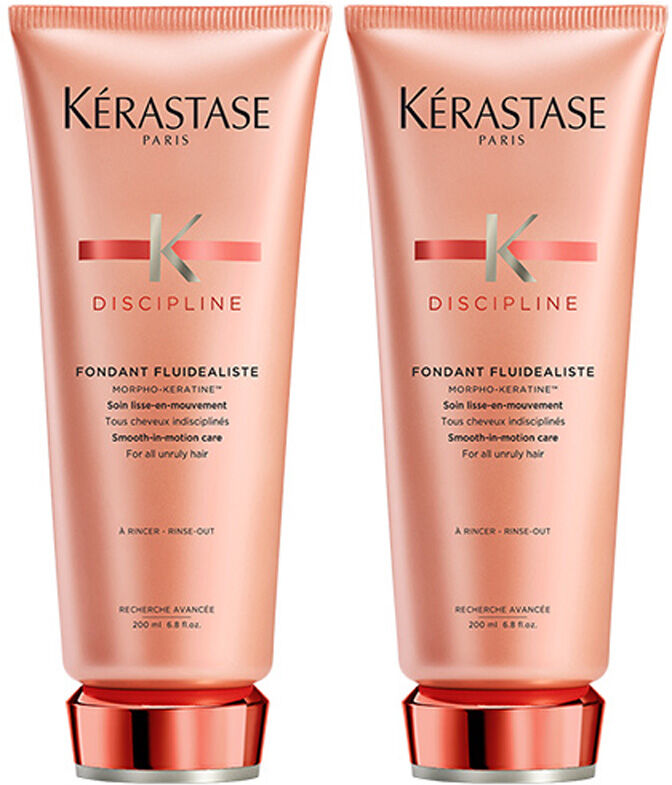
Kérastase Discipline Fondant Fluidealiste DoubleKérastase Discipline Fondant Fluidealiste contains: Kérastase Discipline Fondant Fluidealiste 200ml x 2 Kérastase Discipline is designed to smooth and control flyaway, frizzy hair. Providing 72 hours of frizz control and humidity protection whilst reducing blow-dry time, achieve manageable, elegant and free-flowing hair with the latest technological innovation from French hair specialists Kérastase.Enriched with a Morpho-Keratin Complex™ that contains amino acids, wheat protein and Ceramide-R, it works to restore the hair’s fibre, making hair smoother from root to tip, with a healthy-looking shine. Kérastase Fondant Fluidealiste is a conditioner for normal to sensitised hair, working to strengthen and nourish whilst leaving hair with a light touch. Morpho-Keratine technology restores inner flexibility and weightlessly disciplines he fibre for perfect hair movement. Taming frizz and protecting against humidity. Softening agents to make hair soft to the touch. Lipid Agents to smooth the hair and provide frizz protection.55,50 £*Shipping: 0,00 £Secure redirect to the provider
-
Kérastase Discipline Maskeratine DoubleKérastase Discipline Maskeratine Double contains: Kérastase Discipline Maskeratine Smooth-in-Motion 200ml x 2 Kérastase Discipline is designed to smooth and control flyaway, frizzy hair. Providing 72 hours of frizz control and humidity protection whilst reducing blow-dry time, achieve manageable, elegant and free-flowing hair with the latest technological innovation from French hair specialists Kérastase.Enriched with a Morpho-Keratin Complex™ that contains amino acids, wheat protein and Ceramide-R, it works to restore the hair’s fibre, making hair smoother from root to tip, with a healthy-looking shine. Kérastase Maskeratine Smooth-in-Motion Intense Care is a masque for sensitised to very sensitised, damaged hair. Hair is left beautifully soft, nourished, protected and Morpho-Keratine technology restores inner flexibility and weightlessly disciplines he fibre for perfect hair movement. Taming frizz and protecting against humidity. Softening Agents to smooth the hair making it extremely soft to touch. Lipid Agent to smooth the hair and provide frizz protection. Optimized Starch for maximum anti-frizz.71,40 £*Shipping: 0,00 £Secure redirect to the provider
-
Do you have discipline?
As an AI, I do not have personal experiences or emotions, so I do not have discipline in the same way that a human does. However, I am programmed to follow rules and guidelines in order to provide accurate and helpful responses. My responses are based on the information and programming that I have been given, rather than personal discipline. **
-
What is self-discipline?
Self-discipline is the ability to control one's own behavior and impulses in order to achieve a desired goal. It involves making conscious choices to prioritize long-term benefits over short-term gratification, and to stay focused and committed to a task or objective. Self-discipline requires willpower, determination, and the ability to resist distractions and temptations. It is an important trait for personal and professional success, as it helps individuals stay on track and overcome obstacles in pursuit of their goals. **
-
How can one discipline adults?
Disciplining adults requires clear communication, setting expectations, and providing consequences for inappropriate behavior. It is important to address the issue directly and professionally, focusing on the behavior rather than the individual. Consistency is key in enforcing rules and consequences to ensure accountability. It is also important to provide support and guidance to help adults understand the impact of their actions and make positive changes. **
-
How can one build discipline?
Building discipline requires setting clear goals, creating a routine, and holding oneself accountable. Start by breaking down big goals into smaller, manageable tasks and creating a schedule to work on them consistently. It's important to stay focused, avoid distractions, and practice self-control. Over time, discipline will become a habit as you continue to prioritize your goals and stay committed to your actions. **
* All prices are inclusive of VAT and, if applicable, plus shipping costs. The offer information is based on the details provided by the respective shop and is updated through automated processes. Real-time updates do not occur, so deviations can occur in individual cases. ** Note: Parts of this content were created by AI.