Buy plbm.eu ?
We are moving the project
plbm.eu .
Are you interested in purchasing the domain
plbm.eu ?
domain@kv-gmbh.de · 0541-91531010
Buy plbm.eu ?
When do you conjugate "avoir"?
The verb "avoir" is conjugated when talking about possession or to form compound tenses such as the passé composé. In these cases, "avoir" is conjugated according to the subject of the sentence. For example, "J'ai un chat" (I have a cat) or "Nous avons mangé" (We have eaten). **
How do you conjugate falloir?
The verb "falloir" is an impersonal verb, meaning it is only used in the third person singular. It is conjugated as "il faut" in the present tense, "il fallait" in the imperfect tense, and "il faudra" in the future tense. There is no need to conjugate it for different subjects, as it always remains in the third person singular form. **
Similar search terms for Conjugate
Top-Angebote
Products related to Conjugate:
-
Smart Shopping Spot Adjustable Ab Trainer Machine Foldable Core Workout Equipment For Home Gym Fitness Adjustable Ab Trainer Machine Foldable Core Workout Equipment For Home Gym FitnessBuild a stronger core and feel more confident without leaving home. This ab workout equipment is designed for beginners and experienced fitness enthusiasts who want effective, lowimpact training in a compact design. Its ergonomic arc track helps...89,97 $*Shipping: 0,00 $Secure redirect to the provider
-
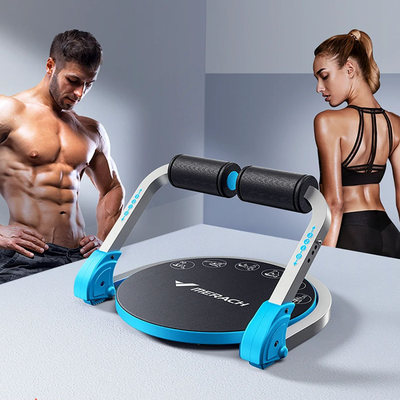
StayWell AB Workout Equipment Adjustable Resistance Automatic Rebound Sit Up Machine, Home Gym Fitness Exercise Equipment blueTransform Your Home Fitness with MERACH AB Workout Equipment Experience a smarter, more efficient approach to core training with the MERACH AB Workout Equipment Adjustable Resistance Automatic Rebound SitUp Machine. Designed for athome fitness...99,97 $*Shipping: 0,00 $Secure redirect to the provider
-
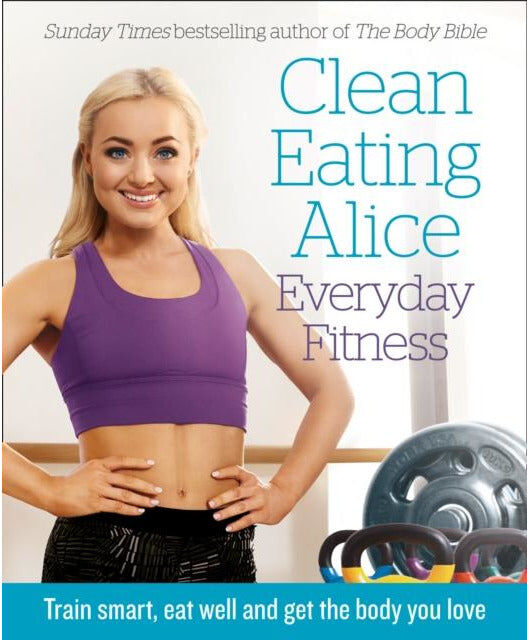
HARPERCOLLINS Clean Eating Alice: Everyday Fitness – Healthy Recipes & Practical Workout Guide for Everyday Wellness by Alice Liveing – Workout & Nutrition GuideTransform your approach to health and fitness with Clean Eating Alice Everyday Fitness: Train Smart, Eat Well and Get the Body You Love by Alice Liveing. This practical, motivating guide combines smart training principles with balanced nutrition to help readers build strength, confidence, and sustainable healthy habits. Alice Liveing shares structured workout plans, approachable meal ideas, and realistic lifestyle advice designed to fit everyday routines — no extremes or quick fixes required. Focused on long-term wellbeing rather than short-term dieting, the book empowers readers to develop a positive relationship with food and exercise while working toward personal fitness goals. Whether you’re new to training or refining your routine, this guide offers clear, supportive direction for lasting results. Why Readers Love This Book: Structured fitness training plans for real-life schedules Balanced nutrition guidance — no fad dieting Encourages sustainable, long-term habits Motivational, beginner-friendly tone Ideal for home or gym-based workouts A smart, accessible roadmap to healthier living, Clean Eating Alice Everyday Fitness helps readers feel strong, energized, and confident.2,80 £*Shipping: 1,99 £Secure redirect to the provider
-
Uplifted Finds Thigh Master Home Fitness Equipment Inner Thigh Toner Workout Device pinkTone and strengthen your body with this Thigh Master home fitness equipment designed for inner thigh, arm, and leg workouts. Compact and easy to use, it delivers resistance training for targeted toning and muscle shaping perfect for home, gym, or...57,97 $*Shipping: 0,00 $Secure redirect to the provider



-
How do you conjugate French adjectives?
In French, adjectives must agree in gender (masculine or feminine) and number (singular or plural) with the noun they modify. To conjugate a French adjective, you need to add the appropriate ending to match the gender and number of the noun it describes. For example, to make the adjective "petit" (small) agree with a masculine singular noun, you would use "petit." But if the noun is feminine singular, you would use "petite." And for a masculine plural noun, you would use "petits," and for a feminine plural noun, you would use "petites." **
-
How do you conjugate in Hebrew?
In Hebrew, verbs are conjugated based on the subject of the sentence and the tense of the action. There are different conjugation patterns for each tense (past, present, future) and for each subject (I, you, he/she/it, we, you all, they). The verb root remains the same, but the conjugation changes to match the subject and tense. Additionally, Hebrew verbs also change based on gender and number of the subject. Learning the conjugation patterns and practicing with different verbs is essential for mastering Hebrew verb conjugation. **
-
Can you help me conjugate avoir?
Sure! The verb "avoir" is conjugated as follows: - J'ai (I have) - Tu as (You have) - Il/Elle/On a (He/She/One has) - Nous avons (We have) - Vous avez (You have) - Ils/Elles ont (They have) **
-
How do you conjugate in French?
In French, verbs are conjugated to match the subject of the sentence, including the person (I, you, he/she, we, they) and the tense (present, past, future, etc.). To conjugate a regular verb in the present tense, you remove the infinitive ending (-er, -ir, -re) and add the appropriate ending for the subject (je, tu, il/elle, nous, vous, ils/elles). For example, for the verb "parler" (to speak), you would conjugate it as "je parle" (I speak), "tu parles" (you speak), "il/elle parle" (he/she speaks), "nous parlons" (we speak), "vous parlez" (you speak), "ils/elles parlent" (they speak). Irregular verbs have their own unique conjugation patterns that need to be memorized. **

How do you conjugate the Passé Composé?
To conjugate the Passé Composé in French, you typically use the auxiliary verb "avoir" or "être" followed by the past participle of the main verb. The choice between "avoir" and "être" depends on the verb being used and whether it is a transitive or intransitive verb. The past participle of regular -er verbs is formed by replacing the -er ending with -é, for -ir verbs you replace the -ir ending with -i, and for -re verbs you replace the -re ending with -u. Irregular verbs have unique past participle forms that need to be memorized. **
How do you conjugate something life-threatening?
When conjugating something life-threatening, it is important to use appropriate language and tone to convey the seriousness of the situation. This can involve using strong verbs and descriptive language to emphasize the severity of the threat. It is also important to provide clear and concise information about the potential risks and consequences associated with the life-threatening situation. Additionally, it is crucial to offer guidance on how to address or mitigate the threat to ensure the safety and well-being of those involved. **
Top-Angebote
Products related to Conjugate:
-
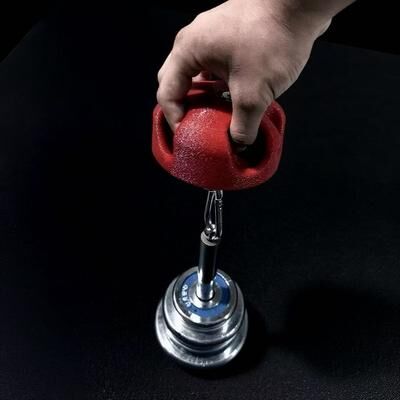
Inspire Daily Merch Fitness Gym Workout Equipment For Weightlifting Pull Downs Bicep Curls Fitness Gym Workout Equipment For Weightlifting Pull Downs Bicep CurlsMaximize Your Workout Potential with Pinch Block Weight Plates Unleash the full potential of your strength training routine with Pinch Block Fitness Gym Workout Equipment. Perfect for back rows, bicep curls, and LAT pull downs, these weight plates...69,97 $*Shipping: 0,00 $Secure redirect to the provider
-
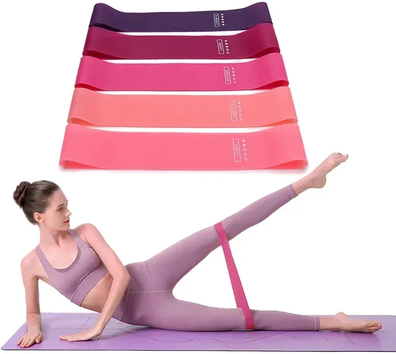
Multisell Products Hub Resistance Bands For Fitness, Workout Equipment For Crossfit, Gym Strength Training Resistance Bands For Fitness, Workout Equipment For Crossfit, Gym Strength TrainingMaximize Your Workout Potential Take your fitness journey to the 5 pcs next level with our Elastic Bands for Fitness. Designed to enhance your strength training, these resistance bands are perfect for all fitness levels, from beginners to seasoned...34,97 $*Shipping: 0,00 $Secure redirect to the provider
-
Smart Shopping Spot Adjustable Ab Trainer Machine Foldable Core Workout Equipment For Home Gym Fitness Adjustable Ab Trainer Machine Foldable Core Workout Equipment For Home Gym FitnessBuild a stronger core and feel more confident without leaving home. This ab workout equipment is designed for beginners and experienced fitness enthusiasts who want effective, lowimpact training in a compact design. Its ergonomic arc track helps...89,97 $*Shipping: 0,00 $Secure redirect to the provider
-
StayWell AB Workout Equipment Adjustable Resistance Automatic Rebound Sit Up Machine, Home Gym Fitness Exercise Equipment blueTransform Your Home Fitness with MERACH AB Workout Equipment Experience a smarter, more efficient approach to core training with the MERACH AB Workout Equipment Adjustable Resistance Automatic Rebound SitUp Machine. Designed for athome fitness...99,97 $*Shipping: 0,00 $Secure redirect to the provider
-
When do you conjugate "avoir"?
The verb "avoir" is conjugated when talking about possession or to form compound tenses such as the passé composé. In these cases, "avoir" is conjugated according to the subject of the sentence. For example, "J'ai un chat" (I have a cat) or "Nous avons mangé" (We have eaten). **
-
How do you conjugate falloir?
The verb "falloir" is an impersonal verb, meaning it is only used in the third person singular. It is conjugated as "il faut" in the present tense, "il fallait" in the imperfect tense, and "il faudra" in the future tense. There is no need to conjugate it for different subjects, as it always remains in the third person singular form. **
-
How do you conjugate French adjectives?
In French, adjectives must agree in gender (masculine or feminine) and number (singular or plural) with the noun they modify. To conjugate a French adjective, you need to add the appropriate ending to match the gender and number of the noun it describes. For example, to make the adjective "petit" (small) agree with a masculine singular noun, you would use "petit." But if the noun is feminine singular, you would use "petite." And for a masculine plural noun, you would use "petits," and for a feminine plural noun, you would use "petites." **
-
How do you conjugate in Hebrew?
In Hebrew, verbs are conjugated based on the subject of the sentence and the tense of the action. There are different conjugation patterns for each tense (past, present, future) and for each subject (I, you, he/she/it, we, you all, they). The verb root remains the same, but the conjugation changes to match the subject and tense. Additionally, Hebrew verbs also change based on gender and number of the subject. Learning the conjugation patterns and practicing with different verbs is essential for mastering Hebrew verb conjugation. **
Similar search terms for Conjugate
-
HARPERCOLLINS Clean Eating Alice: Everyday Fitness – Healthy Recipes & Practical Workout Guide for Everyday Wellness by Alice Liveing – Workout & Nutrition GuideTransform your approach to health and fitness with Clean Eating Alice Everyday Fitness: Train Smart, Eat Well and Get the Body You Love by Alice Liveing. This practical, motivating guide combines smart training principles with balanced nutrition to help readers build strength, confidence, and sustainable healthy habits. Alice Liveing shares structured workout plans, approachable meal ideas, and realistic lifestyle advice designed to fit everyday routines — no extremes or quick fixes required. Focused on long-term wellbeing rather than short-term dieting, the book empowers readers to develop a positive relationship with food and exercise while working toward personal fitness goals. Whether you’re new to training or refining your routine, this guide offers clear, supportive direction for lasting results. Why Readers Love This Book: Structured fitness training plans for real-life schedules Balanced nutrition guidance — no fad dieting Encourages sustainable, long-term habits Motivational, beginner-friendly tone Ideal for home or gym-based workouts A smart, accessible roadmap to healthier living, Clean Eating Alice Everyday Fitness helps readers feel strong, energized, and confident.2,80 £*Shipping: 1,99 £Secure redirect to the provider
-
Uplifted Finds Thigh Master Home Fitness Equipment Inner Thigh Toner Workout Device pinkTone and strengthen your body with this Thigh Master home fitness equipment designed for inner thigh, arm, and leg workouts. Compact and easy to use, it delivers resistance training for targeted toning and muscle shaping perfect for home, gym, or...57,97 $*Shipping: 0,00 $Secure redirect to the provider
-
StayWell AB Workout Equipment Adjustable Resistance Automatic Rebound Sit Up Machine, Home Gym Fitness Exercise Equipment redTransform Your Home Fitness with MERACH AB Workout Equipment Experience a smarter, more efficient approach to core training with the MERACH AB Workout Equipment Adjustable Resistance Automatic Rebound SitUp Machine. Designed for athome fitness...99,97 $*Shipping: 0,00 $Secure redirect to the provider
-
Uplifted Finds Thigh Master Home Fitness Equipment Inner Thigh Toner Workout Device grayTone and strengthen your body with this Thigh Master home fitness equipment designed for inner thigh, arm, and leg workouts. Compact and easy to use, it delivers resistance training for targeted toning and muscle shaping perfect for home, gym, or...57,97 $*Shipping: 0,00 $Secure redirect to the provider
-
Can you help me conjugate avoir?
Sure! The verb "avoir" is conjugated as follows: - J'ai (I have) - Tu as (You have) - Il/Elle/On a (He/She/One has) - Nous avons (We have) - Vous avez (You have) - Ils/Elles ont (They have) **
-
How do you conjugate in French?
In French, verbs are conjugated to match the subject of the sentence, including the person (I, you, he/she, we, they) and the tense (present, past, future, etc.). To conjugate a regular verb in the present tense, you remove the infinitive ending (-er, -ir, -re) and add the appropriate ending for the subject (je, tu, il/elle, nous, vous, ils/elles). For example, for the verb "parler" (to speak), you would conjugate it as "je parle" (I speak), "tu parles" (you speak), "il/elle parle" (he/she speaks), "nous parlons" (we speak), "vous parlez" (you speak), "ils/elles parlent" (they speak). Irregular verbs have their own unique conjugation patterns that need to be memorized. **
-
How do you conjugate the Passé Composé?
To conjugate the Passé Composé in French, you typically use the auxiliary verb "avoir" or "être" followed by the past participle of the main verb. The choice between "avoir" and "être" depends on the verb being used and whether it is a transitive or intransitive verb. The past participle of regular -er verbs is formed by replacing the -er ending with -é, for -ir verbs you replace the -ir ending with -i, and for -re verbs you replace the -re ending with -u. Irregular verbs have unique past participle forms that need to be memorized. **
-
How do you conjugate something life-threatening?
When conjugating something life-threatening, it is important to use appropriate language and tone to convey the seriousness of the situation. This can involve using strong verbs and descriptive language to emphasize the severity of the threat. It is also important to provide clear and concise information about the potential risks and consequences associated with the life-threatening situation. Additionally, it is crucial to offer guidance on how to address or mitigate the threat to ensure the safety and well-being of those involved. **
* All prices are inclusive of VAT and, if applicable, plus shipping costs. The offer information is based on the details provided by the respective shop and is updated through automated processes. Real-time updates do not occur, so deviations can occur in individual cases. ** Note: Parts of this content were created by AI.