Buy plbm.eu ?
We are moving the project
plbm.eu .
Are you interested in purchasing the domain
plbm.eu ?
domain@kv-gmbh.de · 0541-91531010
Buy plbm.eu ?
Is the bluebell poisonous to touch?
Yes, bluebells are poisonous to touch. The bulbs, flowers, and leaves of the bluebell plant contain toxic glycosides that can cause skin irritation and allergic reactions in some people. It is best to avoid touching or handling bluebells, especially for those with sensitive skin or allergies. If you come into contact with bluebells, it is important to wash your hands thoroughly to remove any residue and avoid any potential skin irritation. **
Where can I bury my rabbit in the forest?
If you are looking to bury your rabbit in the forest, it is important to check with local authorities or land management agencies to ensure you are not violating any regulations. Some forests may have designated areas for pet burials, while others may not allow it at all. It is important to be respectful of the environment and wildlife when choosing a burial site for your rabbit. **


Similar search terms for BLUEBELL-Forest-Botanical-Rabbit
Top-Angebote
Products related to BLUEBELL-Forest-Botanical-Rabbit:
-
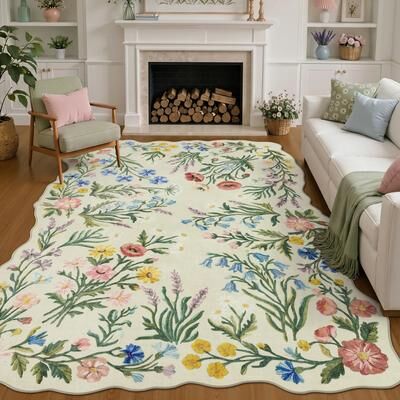
BLUEBELL Floral Scalloped Machine Washable Area Rug, Non Slip Faux Wool Botanical CarpetThis charming botanical area rug is crafted from soft faux wool for a wonderfully plush, cozy feel underfoot. It showcases delicate floral prints and stylish scalloped edges that instantly elevate any interior layout.102,99 $*Shipping: 0,00 $Secure redirect to the provider



-
Hello, when can I transplant a bluebell tree?
Hello! Bluebell trees are best transplanted in the late winter or early spring while they are still dormant. This allows the tree to establish its roots before the growing season begins. Make sure to choose a location with well-drained soil and partial to full sunlight for the best chance of successful transplanting. Remember to water the tree regularly after transplanting to help it adjust to its new location. **
-
What are botanical trade marks used for?
Botanical trade marks are used to protect the unique names, logos, or symbols associated with specific plant varieties or products derived from plants. These trade marks help to distinguish the origin and quality of botanical products in the market, and can also serve as a marketing tool to promote the reputation and value of a particular plant variety. Additionally, botanical trade marks can help consumers identify and choose products that meet their specific needs or preferences, such as organic, sustainable, or locally sourced plant-based products. **
-
What does a rabbit digging box with forest floor look like?
A rabbit digging box with forest floor typically consists of a shallow, sturdy container filled with natural materials such as dirt, sand, and dried leaves. The forest floor elements provide a natural and stimulating environment for the rabbit to dig and explore. The box should be large enough for the rabbit to comfortably move around and engage in natural digging behaviors. It's important to ensure that the materials are safe and free from any harmful chemicals or pesticides. **
-
What can you do in the botanical garden?
In a botanical garden, you can explore a wide variety of plant species from around the world, including flowers, trees, and shrubs. You can also learn about the different ecosystems and habitats that these plants come from. Many botanical gardens also offer educational programs, guided tours, and workshops on gardening and conservation. Additionally, you can relax and enjoy the beauty of nature, take photographs, and have a peaceful stroll through the gardens. **


What is a caterpillar infestation on a Paulownia bluebell tree?
A caterpillar infestation on a Paulownia bluebell tree refers to a situation where a large number of caterpillars are feeding on the leaves and possibly other parts of the tree. This can lead to significant damage to the tree, as the caterpillars consume the foliage, reducing the tree's ability to photosynthesize and grow. The infestation can be detrimental to the health and appearance of the tree, and if left unchecked, it can even lead to the death of the tree. Control measures such as manual removal of caterpillars or the use of insecticides may be necessary to manage the infestation and protect the tree. **
How can one better remember botanical names in landscaping?
One way to better remember botanical names in landscaping is to break down the names into their Latin or Greek roots and understand their meanings. This can help in associating the names with the characteristics of the plants, making them easier to remember. Another method is to create mnemonic devices or associations with the plants' physical attributes or uses in landscaping. Additionally, regularly using and practicing the botanical names in everyday conversations or writing can help reinforce the memory of the names. **
Top-Angebote
Products related to BLUEBELL-Forest-Botanical-Rabbit:
-
BLUEBELL Forest Botanical Rabbit Washable Area Rug, Vintage Woodland Animal Print Low Pile CarpetBring a calm, woodland-inspired charm to your home with this forest green botanical rabbit rug, featuring whimsical bunny motifs, leafy vines, and warm floral accents.113,99 $*Shipping: 0,00 $Secure redirect to the provider
-
Garvee Vintage Peacock Forest Botanical Area RugBring antique-inspired elegance and artistic charm to your home with this vintage peacock botanical area rug. Featuring a classic peacock and forest pattern, this rug adds a timeless decorative touch to any space.108,49 $*Shipping: 0,00 $Secure redirect to the provider
-
Is the bluebell poisonous to touch?
Yes, bluebells are poisonous to touch. The bulbs, flowers, and leaves of the bluebell plant contain toxic glycosides that can cause skin irritation and allergic reactions in some people. It is best to avoid touching or handling bluebells, especially for those with sensitive skin or allergies. If you come into contact with bluebells, it is important to wash your hands thoroughly to remove any residue and avoid any potential skin irritation. **
-
Where can I bury my rabbit in the forest?
If you are looking to bury your rabbit in the forest, it is important to check with local authorities or land management agencies to ensure you are not violating any regulations. Some forests may have designated areas for pet burials, while others may not allow it at all. It is important to be respectful of the environment and wildlife when choosing a burial site for your rabbit. **
-
Hello, when can I transplant a bluebell tree?
Hello! Bluebell trees are best transplanted in the late winter or early spring while they are still dormant. This allows the tree to establish its roots before the growing season begins. Make sure to choose a location with well-drained soil and partial to full sunlight for the best chance of successful transplanting. Remember to water the tree regularly after transplanting to help it adjust to its new location. **
-
What are botanical trade marks used for?
Botanical trade marks are used to protect the unique names, logos, or symbols associated with specific plant varieties or products derived from plants. These trade marks help to distinguish the origin and quality of botanical products in the market, and can also serve as a marketing tool to promote the reputation and value of a particular plant variety. Additionally, botanical trade marks can help consumers identify and choose products that meet their specific needs or preferences, such as organic, sustainable, or locally sourced plant-based products. **
Similar search terms for BLUEBELL-Forest-Botanical-Rabbit
-
BLUEBELL Floral Scalloped Machine Washable Area Rug, Non Slip Faux Wool Botanical CarpetThis charming botanical area rug is crafted from soft faux wool for a wonderfully plush, cozy feel underfoot. It showcases delicate floral prints and stylish scalloped edges that instantly elevate any interior layout.102,99 $*Shipping: 0,00 $Secure redirect to the provider
-
Garvee Vintage Peacock Forest Botanical Area RugBring antique-inspired elegance and artistic charm to your home with this vintage peacock botanical area rug. Featuring a classic peacock and forest pattern, this rug adds a timeless decorative touch to any space.169,99 $*Shipping: 0,00 $Secure redirect to the provider
-
What does a rabbit digging box with forest floor look like?
A rabbit digging box with forest floor typically consists of a shallow, sturdy container filled with natural materials such as dirt, sand, and dried leaves. The forest floor elements provide a natural and stimulating environment for the rabbit to dig and explore. The box should be large enough for the rabbit to comfortably move around and engage in natural digging behaviors. It's important to ensure that the materials are safe and free from any harmful chemicals or pesticides. **
-
What can you do in the botanical garden?
In a botanical garden, you can explore a wide variety of plant species from around the world, including flowers, trees, and shrubs. You can also learn about the different ecosystems and habitats that these plants come from. Many botanical gardens also offer educational programs, guided tours, and workshops on gardening and conservation. Additionally, you can relax and enjoy the beauty of nature, take photographs, and have a peaceful stroll through the gardens. **
-
What is a caterpillar infestation on a Paulownia bluebell tree?
A caterpillar infestation on a Paulownia bluebell tree refers to a situation where a large number of caterpillars are feeding on the leaves and possibly other parts of the tree. This can lead to significant damage to the tree, as the caterpillars consume the foliage, reducing the tree's ability to photosynthesize and grow. The infestation can be detrimental to the health and appearance of the tree, and if left unchecked, it can even lead to the death of the tree. Control measures such as manual removal of caterpillars or the use of insecticides may be necessary to manage the infestation and protect the tree. **
-
How can one better remember botanical names in landscaping?
One way to better remember botanical names in landscaping is to break down the names into their Latin or Greek roots and understand their meanings. This can help in associating the names with the characteristics of the plants, making them easier to remember. Another method is to create mnemonic devices or associations with the plants' physical attributes or uses in landscaping. Additionally, regularly using and practicing the botanical names in everyday conversations or writing can help reinforce the memory of the names. **
* All prices are inclusive of VAT and, if applicable, plus shipping costs. The offer information is based on the details provided by the respective shop and is updated through automated processes. Real-time updates do not occur, so deviations can occur in individual cases. ** Note: Parts of this content were created by AI.